Fuel for the Bar: Nutrition Mastery for Power
Relative strength is everything in calisthenics. Learn how to optimize your macros for explosive power without adding unnecessary weight that kills your leverage.
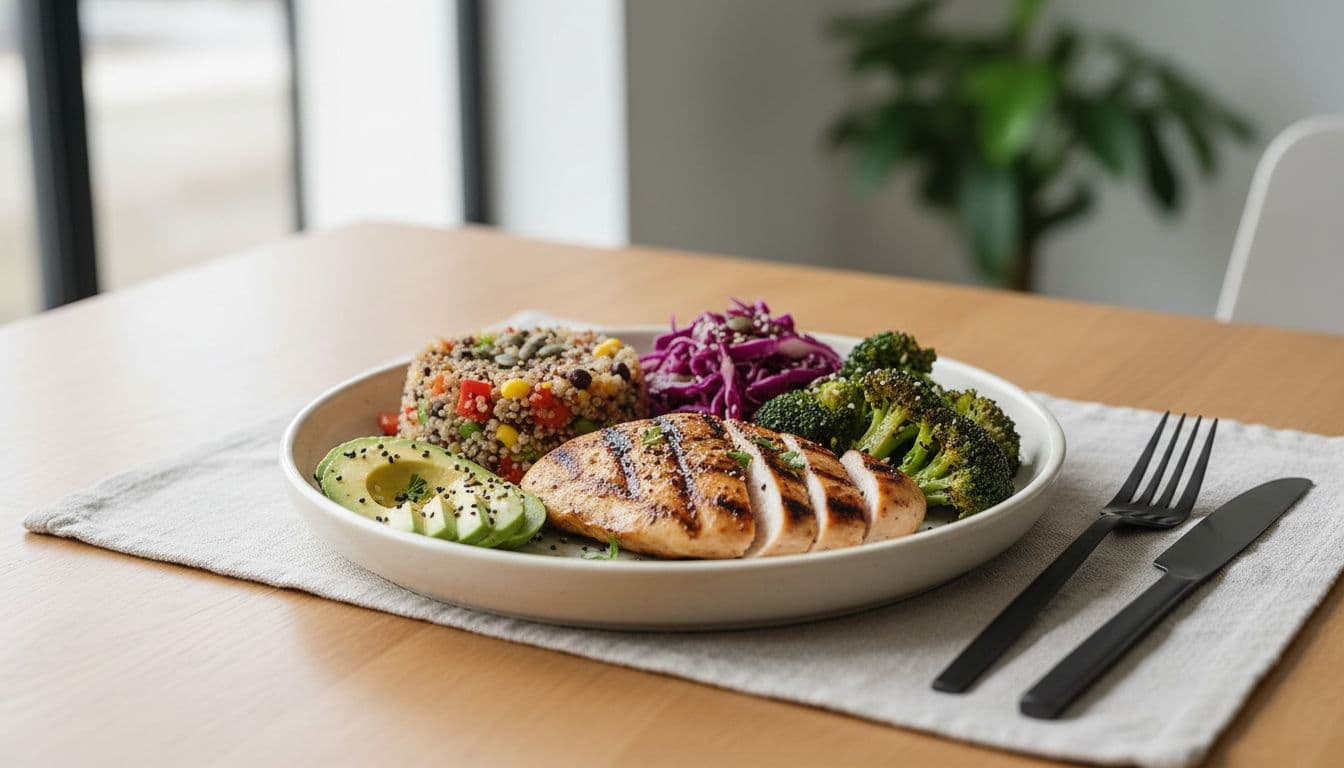
1. The Strength-to-Weight Ratio
In calisthenics, every extra pound of body fat is a pound you have to pull. Focus on nutrient-dense foods that support muscle growth while keeping inflammation low.
Aim for a high-protein diet (1.8g - 2.2g per kg of bodyweight) to preserve and build muscle as you train for advanced skills like the Front Lever.
2. Intra-Workout Fuelling
Long sessions (90+ mins) require quick energy. Simple carbs like a banana or some honey can prevent the 'bonk' and keep your nervous system firing for explosive attempts.
Hydration is key for ligament health. Add electrolytes to your water, especially during high-rep summer sessions.
3. Recovery and Inflammation
Calisthenics puts huge stress on the elbows and shoulders. Integrate Omega-3 rich foods (salmon, walnuts) and turmeric to manage systemic inflammation naturally.
FAQ
For low-intensity mobility or cardio, it's fine. For high-skill or power work, having some glucose in your system is significantly better for performance and safety.
A black coffee and a small amount of fast-acting carbs (fruit) is usually the sweet spot for calisthenics athletes who want to feel light but powerful.
Related Posts
Front Lever Mastery: The Complete 12-Week Program
From dead hang to full front lever: the prerequisites, the five progression steps, how to train the holds, and a 12-week plan built around them.
The Strict Muscle-Up: 5 Progressions to Mastery
A no-nonsense progression ladder that builds explosive pulling power, clean transitions, and absolute bar control. Stop kipping and start mastering the strict movement.
London’s Iron Jungles: The Best Calisthenics Parks
A curated guide to London's elite calisthenics spots. From the legendary bars in Hyde Park to hidden gems in Hackney, we review equipment and community vibes.
Ready to start training?
Find a park with the right equipment and start progressing today.
Find a Spot