
SkillsFeb 7, 2026
Front Lever Mastery: The Complete 12-Week Program
From dead hang to full front lever: the prerequisites, the five progression steps, how to train the holds, and a 12-week plan built around them.
14 min
Calisthenics articles on skills, training, nutrition and recovery, plus city guides and step-by-step programmes.
From dead hang to full front lever: the prerequisites, the five progression steps, how to train the holds, and a 12-week plan built around them.
From dead hang to full front lever: the prerequisites, the five progression steps, how to train the holds, and a 12-week plan built around them.

A no-nonsense progression ladder that builds explosive pulling power, clean transitions, and absolute bar control. Stop kipping and start mastering the strict movement.

A curated guide to London's elite calisthenics spots. From the legendary bars in Hyde Park to hidden gems in Hackney, we review equipment and community vibes.

Don't let the drop in temperature kill your progress. Learn the mindset tactics, warm-up protocols, and gear essentials to keep training hard in the cold.
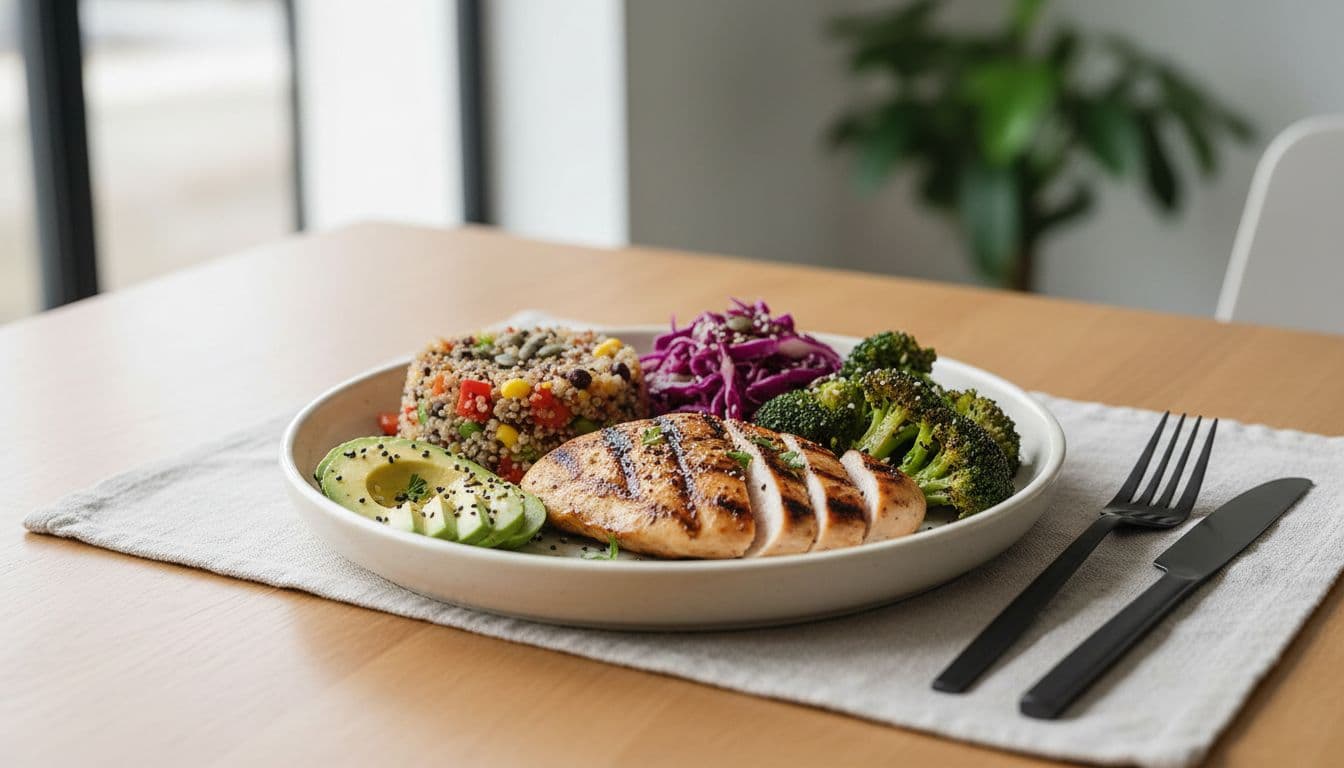
Relative strength is everything in calisthenics. Learn how to optimize your macros for explosive power without adding unnecessary weight that kills your leverage.

From Mauerpark to Tempelhofer Feld, we've mapped every serious calisthenics spot in Germany's capital. Equipment ratings, community vibes, and insider tips.

Every athlete makes these errors. Learn from our community's collective pain and fast-track your journey from novice to intermediate.
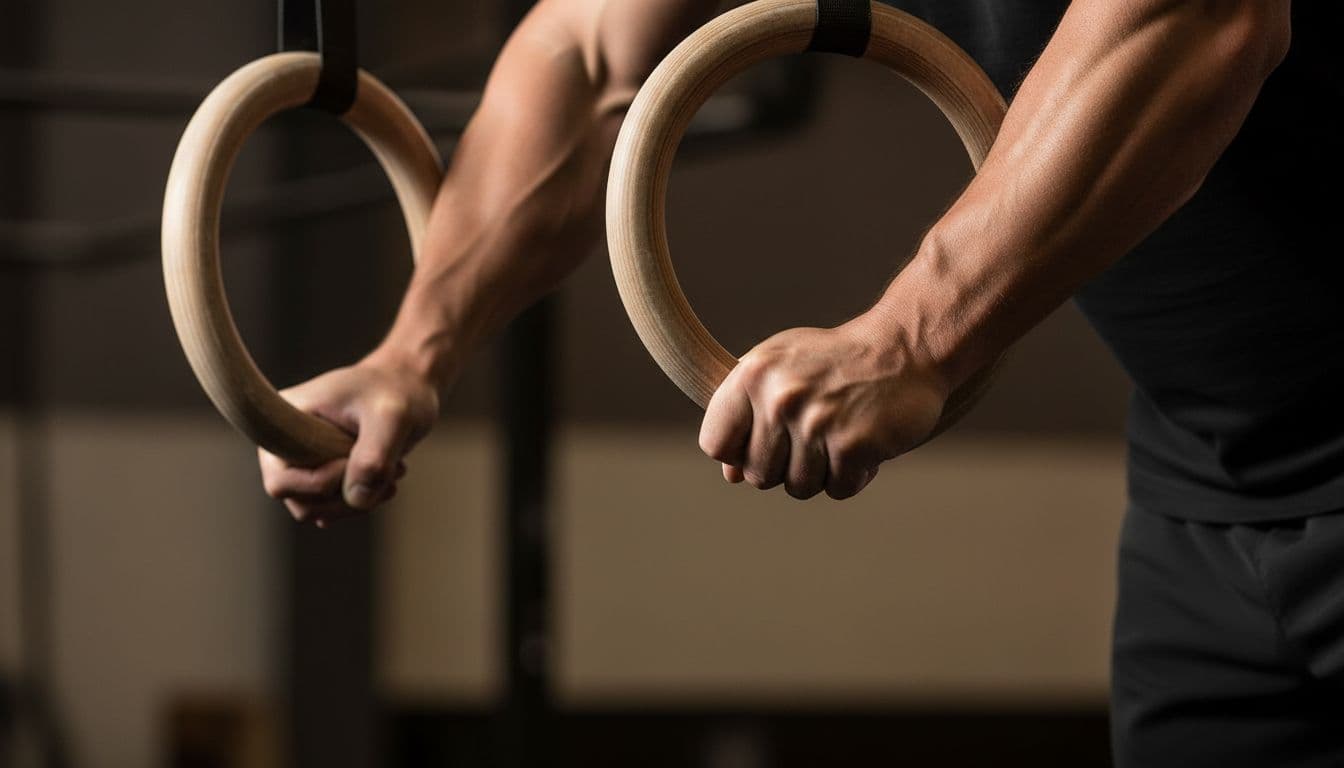
Rings build strength that bars can't. Discover why elite calisthenics athletes swear by this unstable, humbling, and incredibly effective training tool.

The planche takes years, not months. Here's the honest truth about what it takes, the progressions that actually work, and how to avoid wasting time.

No gym? No problem. Build a complete training station in your apartment or garden with these essential, space-efficient equipment picks.

Think rest days are for the weak? The research says otherwise. Learn how strategic recovery accelerates your gains and prevents burnout.
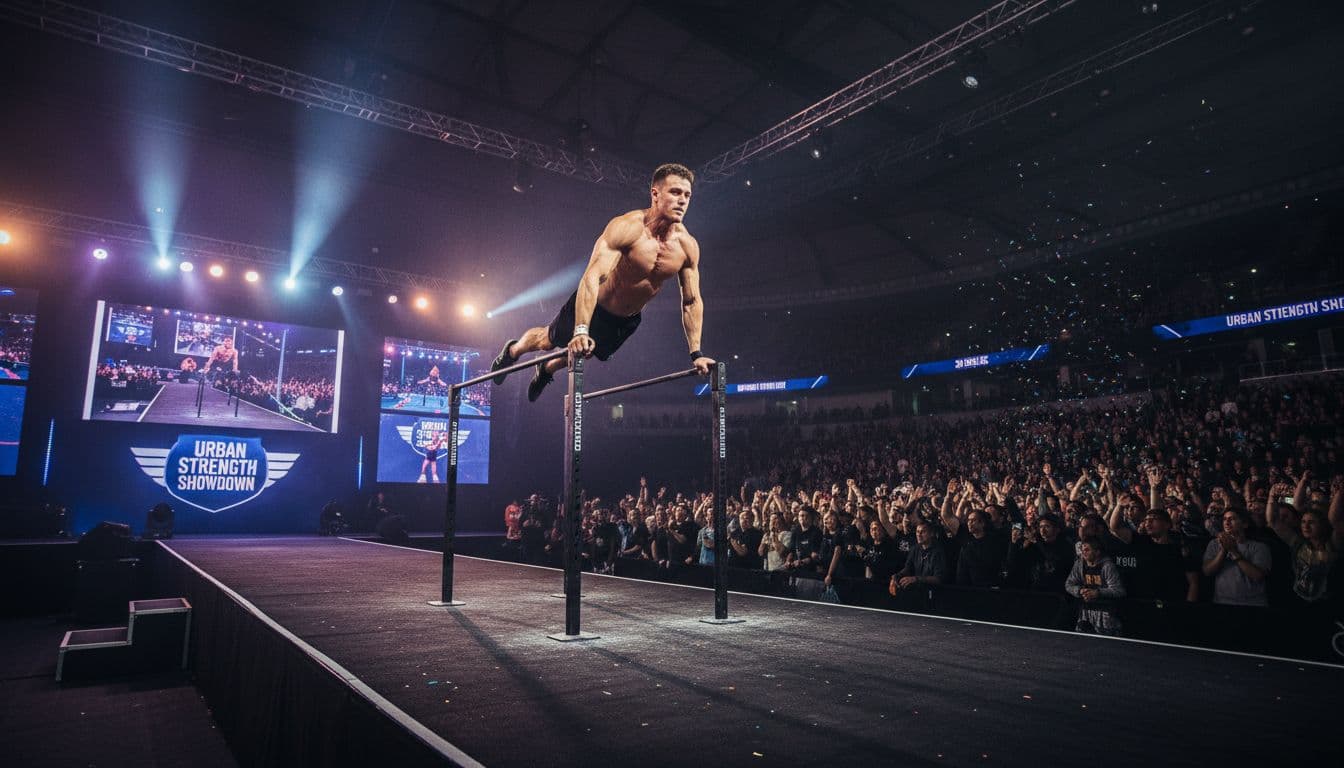
From freestyle battles to strength challenges, here's how to train, peak, and perform when it counts. Insider tips from competition veterans.
Five kinds of pull-up bar, what each one can and cannot do, how to mount it safely, and a checklist to run through before you buy.
Step-by-step playbooks for every skill level
A structured beginner plan to build foundational strength, master core bodyweight movements, and prepare for advanced skills.
The king of upper body exercises: biomechanics, scapular control and the volume strategies that break a pull-up plateau.
A step-by-step roadmap from explosive pull-ups to your first bar muscle-up: the strength floor, the grip, the transition and the press-out.
The freestanding handstand from shoulder prep and wall drills to balance checkpoints and kick-up control.
Daily 15-minute routines to keep your shoulders, wrists, and hips pain-free and ready for high-performance calisthenics. Build longevity into your training.
Adding external load safely: dip belts, weighted vests, and the programming that turns bodyweight strength into elite strength.
The L-Sit is the gateway to advanced core strength. Master the compression, build bulletproof hip flexors, and unlock the foundation for V-sits and Manna.
Dips are the squats of the upper body. Learn perfect technique, avoid shoulder injuries, and progress from assisted dips to weighted monsters.
The back lever, counterpart to the front lever: shoulder conditioning, the German hang, and a systematic progression to the full hold.
This calisthenics blog is for people who train with their bodyweight, in the park or at home. Instead of generic fitness advice, every article stays with one calisthenics question: a skill, a training problem, a place to train.
You will find skill progressions such as the front lever and planche, the beginner mistakes that cost the most time, nutrition and recovery for bodyweight athletes, home setups on a budget, and city guides to Berlin and London.
The guides go further: fixed, step-by-step programmes with a checklist, from a four-week starter plan to the back lever.
Progressions, plateau solutions, injury prevention, and how to structure a bodyweight session.
What it realistically takes to reach the front lever, the planche or the muscle-up, and what to train on the way.
Protein, fuelling around training and the strength-to-weight ratio that matters for bodyweight work.
City guides and home setups, so you know where you can train before you go.
Long-form articles on bodyweight training: skill progressions such as the front lever and muscle-up, realistic timelines for advanced holds, nutrition and recovery for street workout athletes, home and park setups, and city guides to where people actually train. Every article is written around what the movement demands rather than a generic fitness angle.
Start with the beginner mistakes article, which covers the errors that cost the most time, then pick a structured plan from the guides section. The exercise library has form notes and progressions for all 90 movements, and the training plan builder turns your equipment and level into a weekly schedule.
Yes. The nutrition article covers macros, pre-training fuelling and the strength-to-weight ratio that matters for bodyweight work. The recovery article explains why rest days build more than extra sessions do, and the mobility guide covers shoulder and wrist health for handstand and lever work.
Guides are step-by-step programmes with a fixed structure -- a four-week starter plan, a muscle-up blueprint, an eight-week L-sit progression. Blog articles are shorter reads on one question or one place: how long a planche really takes, which Berlin parks are worth the trip, how to keep training through winter.